Total Time: 2 hr 10 min Prep: 2 hr Cook: 10 min
Yield: enough for 2 large pizzas or 4 small pizzas Level: Easy
Ingredients
Directions

In the bowl of a stand mixer, dissolve the sugar in 1 cup warm water (110 degrees F to 115 degrees F). Sprinkle the yeast on top and let stand 10 minutes, or until foamy. Add the olive oil and salt, then use the dough hook to mix in the flour until the dough starts to come together. Allow the machine to knead the dough until smooth. (If you don't have a stand mixer, you can pulse the dough in a food processor until it is smooth and elastic. Or combine by hand in a large bowl.)

Turn out the dough onto a floured board and knead 2 to 3 minutes. Place the dough in an oiled bowl and turn to coat the surface. Cover the bowl with plastic wrap and let stand in a warm place until the dough has doubled in size, about 1 hour.

Turn out the dough onto a lightly floured surface and divide it in half for 2 large pizzas, or into 4 pieces for small individual pizzas. Form into smooth, tight balls, cover loosely with plastic wrap or a well-floured kitchen towel and set in a warm place to rise again, 30 to 45 minutes. (If you're not using the dough right away, wrap tightly in plastic wrap and refrigerate up to 2 days or freeze up to 1 month.)

Set a pizza stone in the oven and sprinkle a pizza peel lightly with flour. (If you don't have a stone, you can bake your pizza on a pizza pan or baking sheet sprinkled with flour.) Preheat the oven to 500 degrees F.

Press the dough with your fingers until it's as flat as possible, then drape it over both of your fists and gently pull the edges outward while rotating the crust. When the circle has reached the desired size and thickness, place it on the pizza peel (or on the prepared pan). Top the pizza as desired and slide it from the peel onto the hot stone (or transfer the pan to the oven).

Bake 8 to 12 minutes, depending on the thickness, or until the crust is crisp and golden.

Guy's Favorite Topping Combos

The French Pig (pictured above)

Cooked pancetta, sauteed leeks and apple, brie, balsamic vinegar

The Motley Que

Pulled chicken, barbecue sauce, red onions, cilantro, fontina

Spicy Hawaiian

Canadian bacon, pineapple, red jalapeno, marinara sauce, mozzarella

Au Naturel

Parmigiano-reggiano, fresh rosemary, olive oil, cracked black pepper, sea salt

Photograph by Dave Lauridsen

Recipe courtesy Guy Fieri for Food Network Magazine


CATEGORIES:
View All

post from sitemap

Total Time: 45 min Prep: 15 min Cook: 30 min
Yield: One 9x13 pan pizza Level: Intermediate
Ingredients
  • 1 medium zucchini, sliced 1/16 inch thick (about 8 ounces)
  • Kosher salt
  • Cooking spray
  • One 1-pound ball 100% Whole-Wheat Pizza Dough (recipe follows)
  • White whole-wheat flour, for work surface
  • 1 cup shredded part-skim mozzarella
  • 1 pint ripe cherry tomatoes, halved
  • 8 pitted kalamata olives, quartered lengthwise
  • 1/4 cup crumbled feta
  • 2 teaspoons extra-virgin olive oil
  • 8 basil leaves, torn
  • 100% Whole-Wheat Pizza Dough:
  • We love using white whole-wheat flour. It's lighter in color and milder in flavor than its regular whole-wheat cousin (a red wheat variety), which can be denser and harsher. Both flours are almost the same, nutritionally; our pizza dough has about 9 grams of fiber per serving. Be sure to check out our Cook's Note, below, a tip on making quick pizza for rushed weeknight dinners.
  • 3/4 cup plus 2 tablespoons warm water (100 to 110 degrees F)
  • 1 teaspoon honey or agave syrup
  • 1 teaspoon active dry yeast
  • 2 cups white whole-wheat flour, plus more for kneading
  • Kosher salt
  • 1 tablespoon extra-virgin olive oil
Directions

Set a pizza stone or baking sheet on the bottom rack of the oven and preheat to 500 degrees F. Toss the zucchini with 1/4 teaspoon salt in a medium bowl and let sit.

Spray the bottom of a 9-by-13-inch metal pan with cooking spray. Place the dough on a lightly floured surface and start pressing it into a rectangular shape. Transfer the dough to the prepared pan and press it evenly all the way to the edges. Place the pan on the hot pizza stone and partially bake for about 10 minutes. The bottom should be lightly golden brown and crisp.

Remove the pan from the oven. Sprinkle the crust with the mozzarella in an even layer. Pat-dry the zucchini and shingle the rounds in a single layer over the mozzarella. Spray the cherry tomatoes with cooking spray and toss with 1/4 teaspoon salt in a small bowl, then top the zucchini layer with the tomatoes, olives and feta. Drizzle all over with the olive oil.

Return the pizza to the oven and bake until the bottom is deep golden brown and the cherry tomatoes have wilted, 18 to 20 minutes,

Top with torn basil leaves. Cut into 8 squares.

Per serving (2 squares): Calories: 470; Fat: 17 g (Saturated: 6 g); Cholesterol: 30mg; Sodium: 980 mg; Carbohydrate: 58 g; Fiber: 11 g; Protein: 21 g; Sugar: 5 g

100% Whole-Wheat Pizza Dough:

Stir together the warm water, honey and yeast in a measuring cup or small bowl. Let sit until a small layer of foam develops at the top, 3 to 5 minutes. (If this doesn't happen, discard and try again with new yeast.)

Whisk the flour and 1/2 teaspoon salt together in a medium bowl. Add the foamy yeast mixture and olive oil and mix together with a stiff rubber spatula. Form the dough into a uniform ball in the center of the bowl. Be sure to scrape and use any dough stuck to the sides. The dough will be very sticky at this stage. Cover the bowl tightly with plastic wrap and keep in a warm place until the dough has doubled in size, about 2 hours.

Lightly dust a baking sheet with flour. Sprinkle a generous amount of flour on a clean, dry work surface. Scrape the dough onto the floured surface and knead for a couple of minutes, working in just enough flour to make the dough less sticky but still moist to the touch. Form the dough into 1, 2 or 4 balls, for large, medium and small pizzas. Place the dough ball(s) on the prepared baking sheet. Cover loosely with plastic wrap or a dish towel and let rest for 30 minutes. The dough can then be shaped and cooked as desired or wrapped well and frozen for up to 1 month. Thaw frozen dough at room temperature, shape and cook as desired.

Yield: 1 pound pizza dough (serves 4)

Per serving (1/4 pound): Calories: 290; Fat: 5 g (Saturated: 0.5 g); Cholesterol: 0 mg; Sodium: 260 mg; Carbohydrate: 50 g; Fiber: 9 g; Protein: 10 g; Sugar: 1 g

Copyright 2013 Television Food Network, G.P. All rights reserved

Keep parbaked pizza shells on hand for quick weeknight meals. Roll the dough balls into rounds and bake on a preheated pizza stone or baking sheet at 500 degrees F for about 10 minutes for a softer crust, about 15 minutes for a crisper crust. Remove and let cool. Wrap the pizza shells well and freeze for up to 1 month. When ready to serve, add your favorite toppings to the frozen pizza shell and bake on a preheated pizza stone or baking sheet at 500 degrees F until hot.

From Food Network Kitchens


CATEGORIES:
View All

post from sitemap

Total Time: 31 min Prep: 15 min Cook: 16 min
Yield: 4 to 6 servings (makes about 16 pieces) Level: Easy
Ingredients
  • 1 tablespoon olive oil
  • 8 ounces Italian turkey sausage
  • 1 cup tightly-packed arugula (about 1 ounce)
  • 4 ounces cream cheese, room temperature
  • 1/3 cup grated Parmesan, plus 1/4 cup
  • 1/2 teaspoon salt
  • 1/4 teaspoon freshly ground black pepper
  • 1 (13.5-ounce) package of store-bought pizza crust (recommended: Pillsbury)
  • All-purpose flour, for rolling out pizza dough
  • 1 egg, beaten (for egg wash)
  • 1 1/2 cups marinara sauce, store-bought or homemade
Directions

Heat the olive oil over medium-high heat in a medium-sized, heavy skillet. Add the sausage and cook until crumbled and golden, about 5 minutes. Add the arugula and cook until wilted. Turn off the heat and let cool about 10 minutes. Add the cream cheese, 1/3 cup Parmesan, salt, and pepper and stir to combine. Set aside.

Preheat the oven to 400 degrees F. Roll out the pizza dough on a lightly floured surface to a thin 20 by 12-inch rectangle. Cut the rectangle in half lengthwise. The cut each half into 8 equal rectangles.

Spoon topping onto 1 side of each of the rectangles. Using a pastry brush, brush the edges of the rectangle with egg wash. Close the rectangle of pizza dough over the topping. Use a fork to seal and crimp the edges. Place the pizza pockets onto a parchment paper-lined baking sheet. Brush the top of each pizza pocket with egg wash. Sprinkle with the remaining Parmesan. Bake until golden, about 15 to 17 minutes.

Meanwhile, heat the marinara sauce over low heat in a medium saucepan. Serve the hot pizza pockets with the marinara sauce alongside for dipping.

Recipe courtesy Giada De Laurentiis


CATEGORIES:
View All

post from sitemap

Total Time: 1 hr 10 min Prep: 30 min Cook: 40 min
Yield: 8 servings Level: Easy
Ingredients
  • 2 tablespoons olive oil, plus more for brushing
  • 1/2 small onion, diced
  • 1 teaspoon dried oregano
  • Kosher salt
  • 1 clove garlic, minced
  • One 15-ounce can tomato puree
  • 12 large leaves fresh basil
  • Pinch red pepper flakes
  • Freshly ground black pepper
  • 12 ounces Italian sausage, sliced into 1/4-inch rounds
  • 2 tablespoons grated Parmesan
  • 1 pound frozen pizza dough, thawed and at room temperature
  • 2 cups Italian blend shredded cheese
Directions

Preheat the oven to 425 degrees F. Line a rimmed baking sheet with parchment paper.

Heat 1 tablespoon of the olive oil in a medium saucepan over medium heat. Add the onions and 1/2 teaspoon of the oregano, season with 1 teaspoon salt and cook, stirring occasionally, until soft, about 4 minutes. Add the garlic and cook until fragrant, about 1 minute. Add the tomato puree, 1/4 cup water, 5 torn basil leaves and the red pepper flakes. Bring to a simmer and cook until slightly thickened, about 4 minutes. Season with salt and pepper.

Meanwhile, heat the remaining tablespoon olive oil in a large skillet over medium-high heat. Add the sausage rounds and brown on both sides, about 4 minutes. Transfer to a paper-towel-lined plate. Mix the Parmesan with the remaining 1/2 teaspoon oregano in a small bowl.

Divide the pizza dough into 8 portions. Flatten into 4-inch squares either by stretching with your hands or using a rolling pin. Spoon 1 tablespoon of sauce onto a square and spread around. Top with 1/4 cup of the Italian cheese blend, one-eighth of the sausage and 1 basil leaf. Wrap the dough around the filling and pinch the edge and ends to seal. Place seam-side down the prepared baking sheet. Repeat with the remaining dough and ingredients.

Brush the rolls with olive oil and sprinkle with the Parmesan oregano mixture. Cut 2 slashes across the top. Bake until golden and bubbly, 20 to 25 minutes. Serve warm with the remaining sauce on the side for dipping.

From Food Network Kitchens


CATEGORIES:
View All

post from sitemap

Total Time: 40 min Prep: 5 min Inactive: 10 min Cook: 25 min
Yield: 1 pizza crust Level: Easy
Ingredients
  • 1 head cauliflower, stalk removed
  • 1/2 cup shredded mozzarella
  • 1/4 cup grated Parmesan
  • 1/2 teaspoon dried oregano
  • 1/2 teaspoon kosher salt
  • 1/4 teaspoon garlic powder
  • 2 eggs, lightly beaten
Directions

Preheat the oven to 400 degrees F. Line a baking sheet with parchment paper.

Break the cauliflower into florets and pulse in a food processor until fine. Steam in a steamer basket and drain well. (I like to put it on a towel to get all the moisture out.) Let cool.

In a bowl, combine the cauliflower with the mozzarella, Parmesan, oregano, salt, garlic powder and eggs. Transfer to the center of the baking sheet and spread into a circle, resembling a pizza crust. Bake for 20 minutes.

Add desired toppings and bake an additional 10 minutes.

Recipe courtesy of Katie Lee


CATEGORIES:
View All

post from sitemap


Sleeping woman

Let's face it - we live in a society without stopping. In our haste, we too often we sleep in the background. As a busy mother, I can understand why people dream of doing things goes.

But this is the wrong approach. Sleep has a huge effect on how you feel throughout the day, and nutrition plays an important role in the way you sleep. The food is directly related to serotonin, a key hormone that - with vitamin B6, B12 and folic acid - helps promote healthy sleep. Try to eat foods that calm the body, increase the levels of serotonin and prepare for sleep.

Here are some foods to start on the road to sleep.


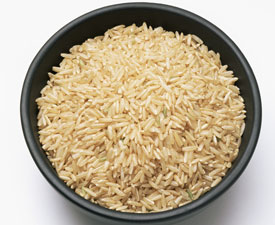
Brown rice

1. Complex carbohydrates

Embrace all breads, cereals, pasta, crackers and brown rice. Avoid simple carbohydrates like bread, pasta and sweets like cookies, cakes, candies and other sweet foods. These tend to reduce the levels of serotonin and does not promote sleep.

2. Lean proteins

Lean proteins are low-fat cheese, chicken, turkey and fish. These foods are high in tryptophan, an amino acid, which tends to increase the serotonin levels. On the other hand, avoiding high-fat cheese, chicken wings or fried fish. They take longer to digest and can keep you awake

3. Heart-healthy fats

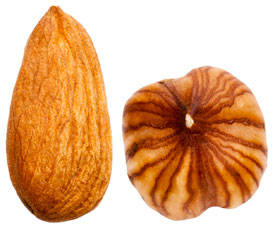
Unsaturated fats not only increase the health of your heart, but also to improve the levels of serotonin. Examples include peanut butter (read the label to ensure that the peanut is the only ingredient) and nuts such as walnuts, almonds, cashews and pistachios. Avoid foods containing saturated and trans fats, such as chips, crisps and other snacks high in fat. These bring your low serotonin levels.   

4. Beverages

Some drinks can promote or prevent sleep. A pleasant and relaxing drink to drink before bedtime would be the hot milk (his mother was right) or herbal tea such as chamomile or peppermint. As for drinks containing caffeine, I recommend to my clients who have trouble sleeping a drink consumed two pmCaffeine can affect people differently, and even the smallest amount of stimulants can keep you awake.

Basil leaf

5. Fresh herbs

Fresh herbs can have a calming effect on the body. For example, sage, basil and contains chemicals that reduce stress and promote sleep. Trymaking their own homemade pasta sauce with sage and basil. It's easy to do, and homemade sauces tend to be lower in sugar than store-bought versions. However, to avoid herbs like cayenne or black pepper at night because they have a stimulating effect.


When your baby has mastered the very fine purees and simple flavors most often introduced as the first solid foods, it's time to start incorporating new flavors into your baby's diet. When your baby starts to enjoy more variety, it's time to think outside of the box. Get beyond the typical apples and bananas and offer your baby some different and often overlooked fruits and vegetables that offer up tons of nutrition and plenty of flavor.

Avocados. Avocados are an excellent early food for babies. They have a silky, smooth texture that only requires fork mashing, rather than real pureeing. The mild flavor is very often a hit with babies, and avocados are loaded with the good fat that babies need.

Kiwi. Kiwi also has a naturally soft texture so it is easy to mash to the correct consistency for your baby. While kiwis may be a little sour for your baby at first, they are a wonderful source of vitamin C.

Melons. Melons such as cantaloupe, honeydew, and watermelon are great fruits for your baby to try. Again, they have a naturally soft texture so they are easy to chew. Cantaloupe is packed with vitamins A and C. Honeydew is also a great source of vitamin C and watermelon has lycopene, vitamin C, and vitamin A.

Cherries. Bing cherries, chopped into tiny pieces, are another great fruit for your baby to try. Cherries provide vitamin C and potassium.

Broccoli. Because of the naturally firm texture of broccoli, it is sometimes overlooked as a baby food. Removing the florets and chopping them finely, however, makes broccoli a great vegetable to mix in with another puree such as carrots. Broccoli is a nutritional powerhouse providing vitamin C, fiber, iron, calcium, potassium, and folate. The gassiness that broccoli often gives adults, typically does not translate to babies.

Spinach. Spinach can be pureed alone or mixed with other purees. Because it has a rather strong flavor, your baby may like it better when mixed with something else. Spinach is packed with nutrients including Vitamin A, C, magnesium, folate, and iron.

Summer Squash. Your baby probably already likes butternut or acorn squash, but what about yellow summer squash? This vegetable provides vitamin C and has a mild flavor that many babies love. Just make sure you leave the skin on and chop it very finely.

Corn. Corn too is often overlooked as a vegetable because it is sometimes considered to be a grain. But with vitamin C and fiber, and a naturally sweet taste, corn can be a nice addition to your baby's diet. Be sure your baby is accustomed to chewing before trying smashed corn kernels.

Tomatoes. Tomatoes are acidic so make sure your baby is a little older (8 or 9 months) before incorporating tomatoes into his diet. Chopped tomato makes a great finger food. Tomatoes are full of lycopene, vitamins A and C, and potassium.

When feeding your baby make sure you consider all that your grocery store produce section has to offer, not just the same old fruits and vegetables. Introducing your baby to plenty of new flavors from a young age will help her to be open to new foods for a lifetime, and will give her the ultimate in good nutrition.